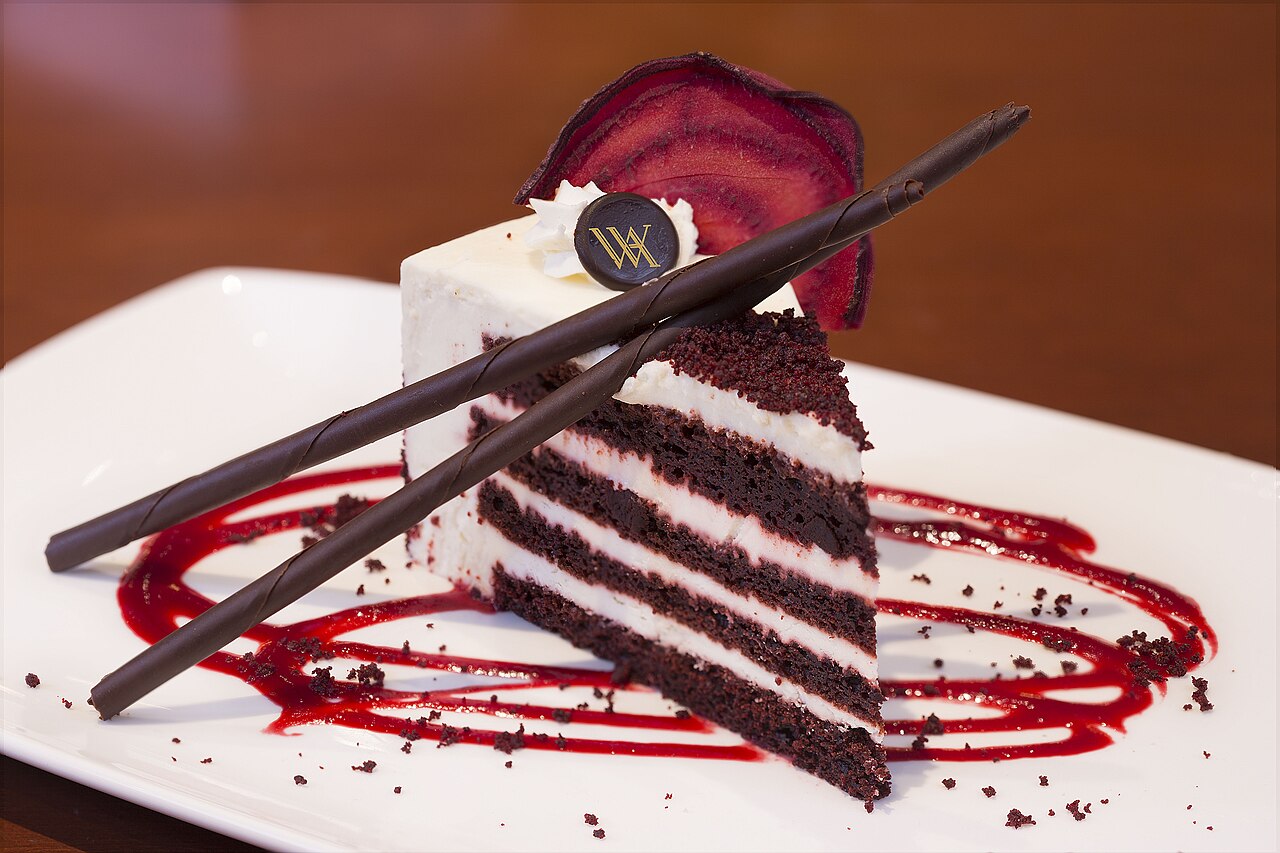
With its striking crimson layers juxtaposed against pristine white frosting, red velvet cake captivates both the eye and the palate. More than just a dessert, it's a culinary enigma, a delicious blend of subtle chocolate, tangy notes, and an incredibly tender crumb that lives up to its 'velvet' name. Often shrouded in mystery regarding its true origins, this iconic treat has carved out a unique space in the hearts of dessert lovers worldwide. From its surprising historical roots to the scientific reactions that once gave it its signature hue, decoding the allure of red velvet cake reveals a fascinating journey of flavor, texture, and cultural significance.
The Allure of Red Velvet: More Than Just a Pretty Face
For many, the first encounter with a slice of red velvet cake can be a moment of awe, or perhaps even a little intimidation. The vibrant, almost audacious red color, especially when seen in a bakery display, promises something extraordinary. And indeed, it delivers.
Beyond its visual appeal, the defining characteristics of red velvet cake create a symphony of sensations:
- Incredibly Moist & Soft: The texture is paramount. A truly great red velvet cake boasts a fine, tender crumb that feels luxurious on the tongue. It's this melt-in-your-mouth quality that truly earns the "velvet" moniker.
- Subtle Chocolatey Notes: Unlike a decadent chocolate fudge cake, red velvet incorporates just a small amount of cocoa powder. This provides a delicate, earthy undertone that hints at chocolate without overpowering the other flavors. It's a delightful bridge between a classic vanilla and a rich chocolate cake.
- Tangy & Balanced Flavor: A crucial element often overlooked is the cake's subtle tang. Ingredients like buttermilk and vinegar contribute not only to the cake's tenderness but also to a bright, slightly acidic counterpoint that perfectly balances the sweetness. This tang is then gloriously amplified by the signature frosting.
- Iconic Cream Cheese Frosting: No discussion of red velvet cake is complete without mentioning its indispensable partner: the tangy, rich cream cheese frosting. Its creamy texture and characteristic zest cut through the cake's sweetness, completing the quintessential red velvet experience.
This unique blend ensures that even those who aren't typically fans of traditional red velvet cake often find themselves "hooked" after tasting a truly well-made version. Its deliciousness often surpasses initial expectations, leaving a lasting impression and a craving for more.
Unraveling the Mystery: Where Did Red Velvet Cake Come From?
The history of red velvet cake is as rich and complex as its flavor, yet its precise origins remain largely unknown, adding to its mysterious appeal. While it's deeply ingrained in the culinary traditions of the Southern United States, several claims and historical threads weave a fascinating narrative.
Early "velvet" cakes, dating back to the 19th century, were named for the incredibly fine and tender crumb texture they possessed, a significant achievement in baking at the time. These recipes often incorporated ingredients like almond flour, corn starch, or even cocoa powder to soften the proteins in wheat flour, resulting in a superior, more delicate cake. Interestingly, food writer Stella Parks suggests that brown sugar, then known as "red sugar" and more readily available than refined white sugar, might have imparted a vague reddish hue to some of these early cakes.
The late 19th and early 20th centuries also saw the rise of chocolate cakes, with some recipes calling for buttermilk. This combination was key: when raw, non-Dutched cocoa powder reacted with acidic ingredients like buttermilk, it could naturally create a reddish-brown or burgundy tint in the batter and the finished cake. This chemical reaction is believed to be the genesis of cakes like devil's food, mahogany, and oxblood cakes, all sharing a similar characteristic. According to Parks, the concept of a "velvet cocoa powder cake" truly solidified in the early 20th century as recipes for mahogany cake and devil's food cake began to merge, paving the way for what we now recognize as the secrets of red velvet cake.
Despite its Southern association, the cake's fame also spread through other avenues. New York City's Waldorf-Astoria hotel famously served red velvet cake as a dessert as early as the 1920s, and Eaton's department store in Canada also lays claim to developing or popularizing the recipe. These varied claims only deepen the intrigue surrounding this beloved confection, cementing its status as a timeless classic with an elusive past.
The Science Behind the Shade: From Natural Hue to Food Dye
The vibrant red color of red velvet cake is arguably its most striking feature, but how it achieved this hue has evolved significantly over time. Originally, the cake's color was a beautiful accident of chemistry.
The Original Red: A Chemical Reaction
In the early recipes, before the widespread availability of synthetic food colorings, the reddish tint came from a natural chemical reaction. When non-Dutched (natural) cocoa powder, rich in anthocyanins, was combined with acidic ingredients like buttermilk or vinegar, it would undergo a pH change. This change caused the cocoa's natural pigments to shift, revealing a reddish-brown or burgundy color. The effect was subtle, often resulting in a reddish-brown cake rather than the bright crimson we expect today. The baking soda in the recipe would also react with the acid, contributing to the cake's tender texture and aeration.
The Shift to Food Coloring and Its Impact
As food processing techniques advanced, much of the cocoa powder available became "Dutch-processed." This treatment neutralizes the acidity of cocoa, making it darker and less bitter, but also preventing the natural reddish reaction. To achieve a more consistent and eye-catching red, bakers began adding red food coloring to their recipes, leading to the strikingly bright red velvet cake we know today. During periods like World War I and the Great Depression, some recipes even utilized boiled beets or beet juice to naturally enhance the red color, adding moisture and a touch of sweetness.
However, the reliance on artificial dyes wasn't without its controversies. In the 1970s, fears about Red Dye #2 being linked to cancer led to a significant decline in the cake's popularity. For a time, red velvet cake almost vanished from mainstream baking. Yet, its unique flavor profile was too beloved to disappear entirely. By the late 20th century, red velvet cake experienced a massive resurgence in popularity, becoming a culinary sensation once again. This renewed interest was so profound that its distinct flavor and even scent began to be mimicked in a wide array of other food products and consumer goods, a testament to its enduring appeal.
Crafting the Perfect Red Velvet Cake: Secrets to Success
Creating a truly magnificent red velvet cake is a rewarding endeavor that relies on a few key principles. While its origins may be mysterious, the path to a perfectly moist, tangy, and vibrantly colored cake is well-defined. Here are the secrets to nailing that iconic flavor and texture:
Essential Ingredients & Their Roles
- Buttermilk & Vinegar: These are non-negotiable. They are crucial for activating the baking soda, creating the delicate crumb, and imparting that signature tangy flavor. Without them, the cake loses its characteristic moistness and tender texture.
- Cocoa Powder: Use a high-quality, natural (non-Dutched) cocoa powder if you're aiming for a subtle natural reddish tint, though modern recipes often call for the color to be enhanced with food coloring for that vibrant hue. The amount should be small enough to contribute flavor without making it a full-blown chocolate cake.
- Red Food Coloring: For the iconic, striking red, food coloring is almost always necessary today. High-quality gel food coloring provides the best results, creating a deep, rich color without affecting the cake's texture.
- Cream Cheese: The foundation of the frosting. Use full-fat, block cream cheese for the best flavor and consistency. Avoid spreadable cream cheese, which often contains too much water.
Tips for Achieving a Velvety Crumb and Perfect Frosting
Achieving that coveted "velvety" crumb requires attention to detail:
- Room Temperature Ingredients: Ensure butter, eggs, and buttermilk are at room temperature. This allows them to emulsify properly, resulting in a smooth batter and a lighter, more uniform cake.
- Don't Overmix: Overmixing develops gluten, leading to a tough cake. Mix wet and dry ingredients just until combined. A common sentiment among bakers, and one we heartily endorse, is that you can have the ultimate red velvet cake: soft, moist & so easy to make.
- Quality Cream Cheese Frosting: The frosting should be tangy, not overly sweet, and beautifully smooth. Beat the cream cheese and butter until light and fluffy before adding powdered sugar and vanilla. Don't overbeat once the sugar is added, or it can become too thin.
- Patience is Key: Allow the cake layers to cool completely before frosting. This prevents the frosting from melting and sliding off.
Many home bakers find that with a little practice, whipping up the batter for this cake can take as little as 5 minutes, demonstrating that perfection doesn't always require hours in the kitchen. The result of these efforts is undoubtedly the softest, moistest, and best red velvet cake you could ever hope for, turning even skeptics into devoted fans.
Conclusion
The red velvet cake is more than just a dessert; it's a testament to culinary evolution, a blend of historical mystery, scientific intrigue, and unparalleled deliciousness. From its humble beginnings as a "velvet" cake characterized by a fine crumb and a naturally occurring reddish hue, to its modern incarnation as a show-stopping crimson masterpiece, its journey is as captivating as its taste. Its perfect balance of subtle chocolate, tangy undertones, and luxurious cream cheese frosting has cemented its place as a beloved classic. Whether you're a seasoned baker or simply an admirer of this iconic confection, the red velvet cake continues to enchant, proving that some mysteries are best savored, one velvety bite at a time.
